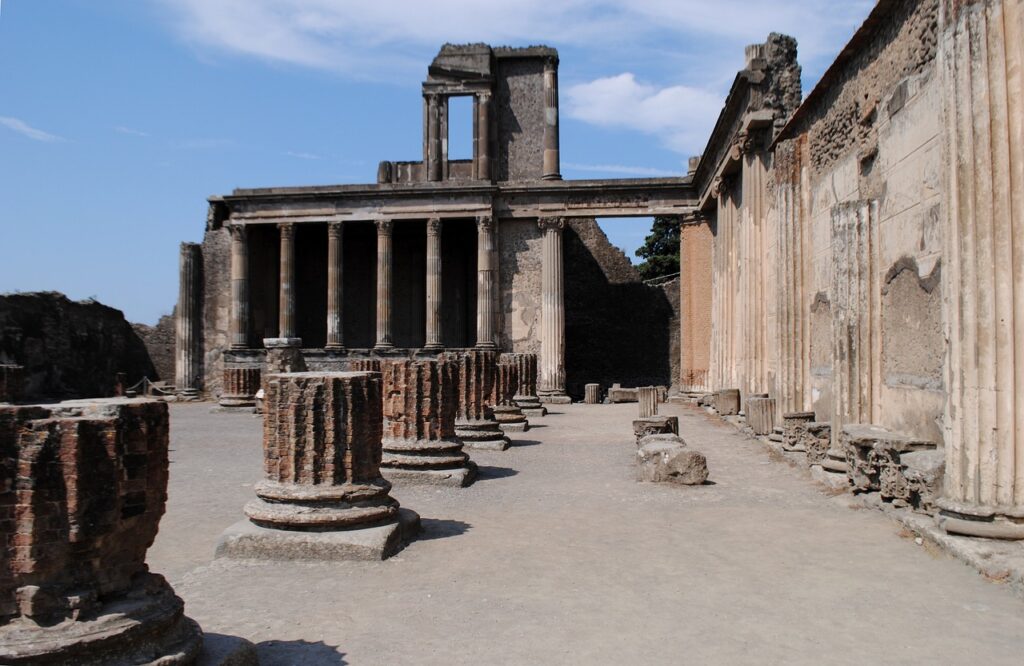
We spent four days in Rome with the kids in April 2026, and I wanted to share our experience, what we enjoyed, and the advice I’d give anyone thinking about visiting Rome with children for the first time. We already knew we wanted to visit Pompeii with the kids, so we planned a trip that would include both Pompeii and Rome. I’ve written a post about visiting Pompeii with the kids that you can read here if you’re thinking of combining the two, but for this trip I wanted to focus on Rome.
The only two things we prebooked before the trip to Rome were the Colosseum and a group tour of the Vatican Museums and the Sistine Chapel. Those were the attractions I knew would book up well in advance, and I was glad we didn’t leave them to chance. Everything else we left flexible. That gave us room to adjust for energy levels, weather, and the general reality of travelling with children, which is always different from the plan you make at home.
Where we stayed in Rome with kids
We decided to stay as centrally as possible so we could walk to most attractions on foot, so we booked an Airbnb near the Trevi Fountain. In hindsight, I would probably choose somewhere a little further from the tourist centre next time. The Trevi area is beautiful, but it is also extremely busy and noisy. Even with double glazing and being on the third floor, we could still hear the street below. Staying in the historical centre seemed to be a convenient thing to do for sightseeing, but with small kids I think a more residential area or quieter area like Monti or Prati would have been calmer. Attractions in Rome are spread around the city anyway, so walking everywhere is not always realistic when little legs get tired.
The Colosseum with kids: what it was really like
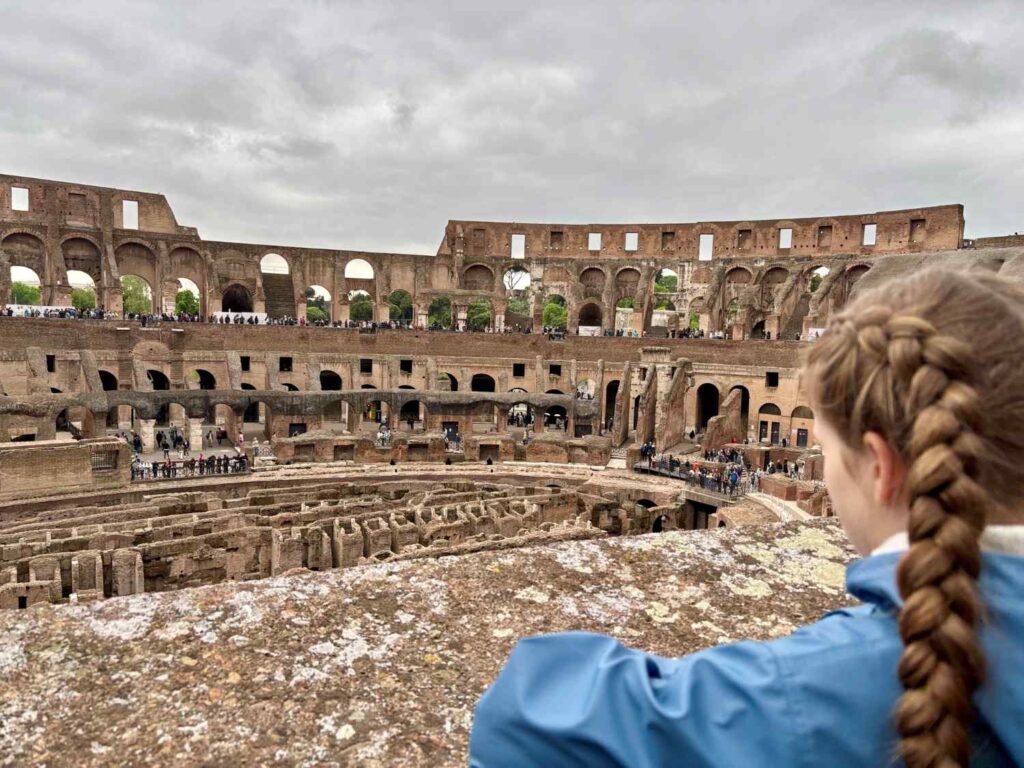
The Colosseum was one of the absolute highlights of our trip and this would be my number one recommendation for places to visit in Rome with kids. This huge stone amphitheatre sits in the heart of Rome, built almost 2,000 years ago as a giant stadium for the Roman Empire. It was used for public shows like gladiator fights, animal hunts, and mock battles to entertain crowds of thousands. Today it is one of the most famous landmarks in the world: partly ruined but still powerful to walk through, and it gives a clear sense of how big and dramatic Roman entertainment really was.
Our ticket was entry only, so we visited without a guide. I know lots of families choose guided tours, and I can see why, because the Colosseum has a lot of history packed into one visit. But we still felt we got a good overview without one. Inside, there are lots of information panels, and there are also apps (like “MyColosseum App”) and audio guides available if you want help navigating the site. I also printed out some kid-friendly notes before we went, so we could explain why the Colosseum matters and what actually happened there in a way the children could understand. The children enjoyed the visit and didn’t look bored. We were always on the move and the experience kept changing as we moved from one level to another.
I also asked the kids whether they wanted to visit the Gladiator School as an extra Rome experience. My girls were not interested at all, so we skipped it. However, if your children are into costumes or fighting skills, it looks like a really fun activity to do. It’s in a different location, about 3.5kms from the Colosseum itself.
Booking Colosseum tickets
The first thing I’d say is this: book early. Standard entry tickets go on sale exactly 30 days before the date you want and some special access tickets are made available 7 days before. Use this official website to buy your tickets – this is where you get the best value tickets as other platforms simply resell these same tickets. Here you will choose not only your date but also the exact time slot to visit the Colosseum. The downside is that the system can feel a bit overwhelming at first because there are so many ticket types, and the more popular ones sell out quickly and I am talking a matter of minutes. I set a calendar reminder for 8:30am CET 30 days in advance so I could log on as soon as tickets became available. Even then, I didn’t manage to get the “FULL EXPERIENCE – UNDERGROUND LEVELS AND ARENA” ticket I originally wanted. In the end, I bought a “24h – COLOSSEUM, ROMAN FORUM, PALATINE” ticket and a separate “24H ONLY ARENA” ticket for the same morning, and I was not disappointed with that choice at all.
If you can’t get the full underground-and-arena option, don’t panic. The 24-hour Colosseum ticket is genuinely a very good option. It gives you access to the main monument and the key viewing levels, and that turned out to be enough for us. We entered the arena through a separate access point, but in all honesty it didn’t feel dramatically different from the views we got from the main platforms. Likewise, while we couldn’t physically walk through the underground, we could still see it from the upper levels. So while the underground is interesting, I didn’t feel we missed a huge part of the experience.
The Roman Forum and Palatine Hill
One of the biggest surprises for me was how much we enjoyed the areas included with the Colosseum ticket beyond the Colosseum itself. The standard ticket also covers the Roman Forum and Palatine Hill, and I’d say these are absolutely worth doing.
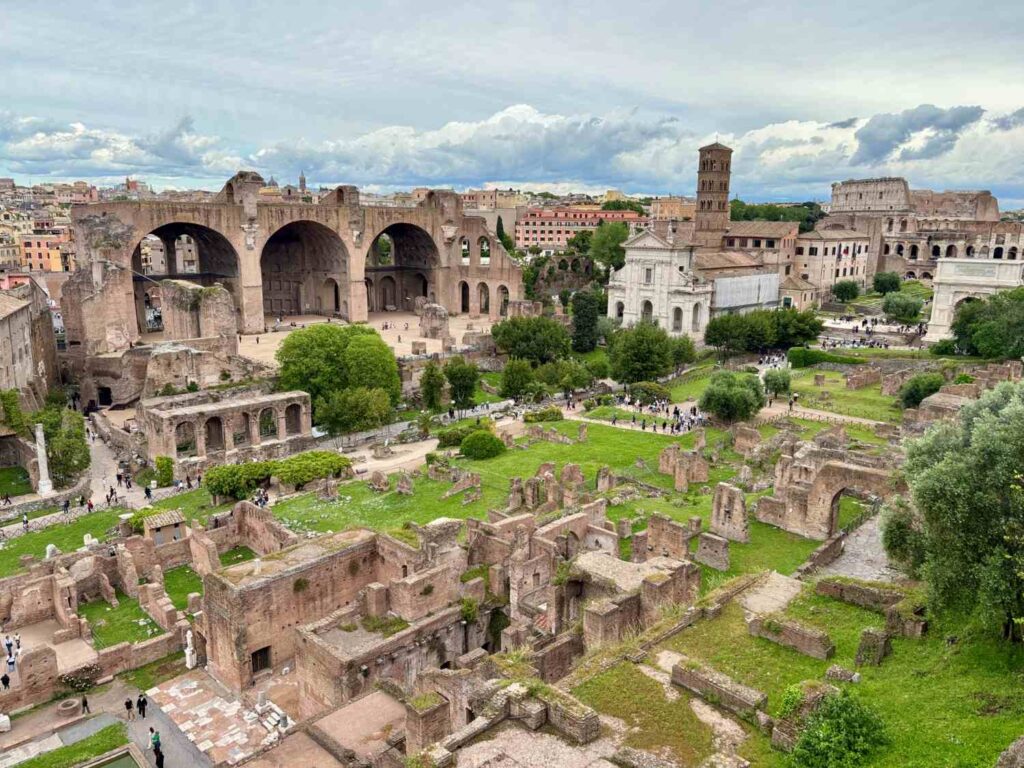
The nice thing about the ticket is that you can use it over a 24-hour period, which made the day much easier. We did the Colosseum first, then took a break for lunch and rest, and came back later in the afternoon for the Forum and Palatine Hill. That split the day up nicely and stopped everything from feeling too intense. The Roman Forum and Palatine Hill were some of the most interesting parts of the trip for us. They are historic, but also open and scenic, which works well with children. There is space to walk, views over the city, and enough ruins and stories to keep older children engaged without overwhelming them. I’d allow at least two to three hours for this part alone. We found it especially enjoyable later in the day, when we were not rushing and could just take it in slowly.
Our Vatican Tour
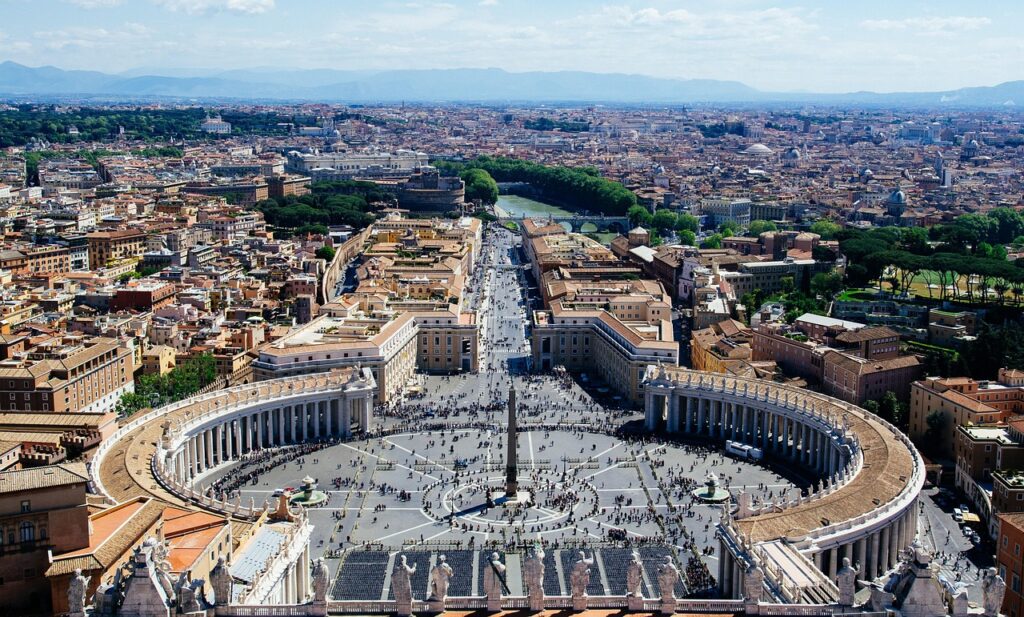
The Vatican Museums and the Sistine Chapel were the other major booking of our trip, and this is where I’m most convinced that a guided tour was the right choice for our family. The Vatican Museums are extraordinary, but they are also huge, crowded, and not the easiest place to navigate with children. It wasn’t a private tour, but a group tour which was perfect for us. We were all given ear pieces, which meant we could hear the guide clearly without having to crowd around them, and the whole thing felt manageable from start to finish. I booked the guided tour “Pristine Sistine Early Entrance Small Group Vatican Tour” through Walks. I have only positive reviews to share but there are many other providers to choose from so I recommend comparing prices and availability to find what works for you. Click here to see alternative Vatican tour guides available.
We booked a 7:15am early entrance small-group tour, and yes, the kids were not thrilled about the early wake-up. Early entry made a huge difference though. We met the guide outside at 7:15, had some lovely coffee and pastries at the nearby Antico Café Candia while the group assembled, and then walked to the Vatican together. By the time the museum opened at 8am, we were already in the rhythm of the tour and had useful background knowledge about what we were about to see. The best part is that the morning felt less crowded and more special. The early start also meant the kids were surprisingly alert, probably because we were constantly moving from room to room and there was always something new to look at.
Benefits of doing a guided tour
The Vatican is enormous and often overwhelmingly crowded. With a guide, you won’t waste time staring at maps or figuring out where to go next — you’ll move seamlessly from one extraordinary room to another while learning fascinating details about everything you’re seeing along the way. Our guide explained what we would see in the Sistine Chapel, pointed out details to look for, and gave us context before we entered. That mattered because the Sistine Chapel has strict rules: silence and no photos. When we finally reached the Sistine Chapel, it felt meaningful rather than rushed or confusing.
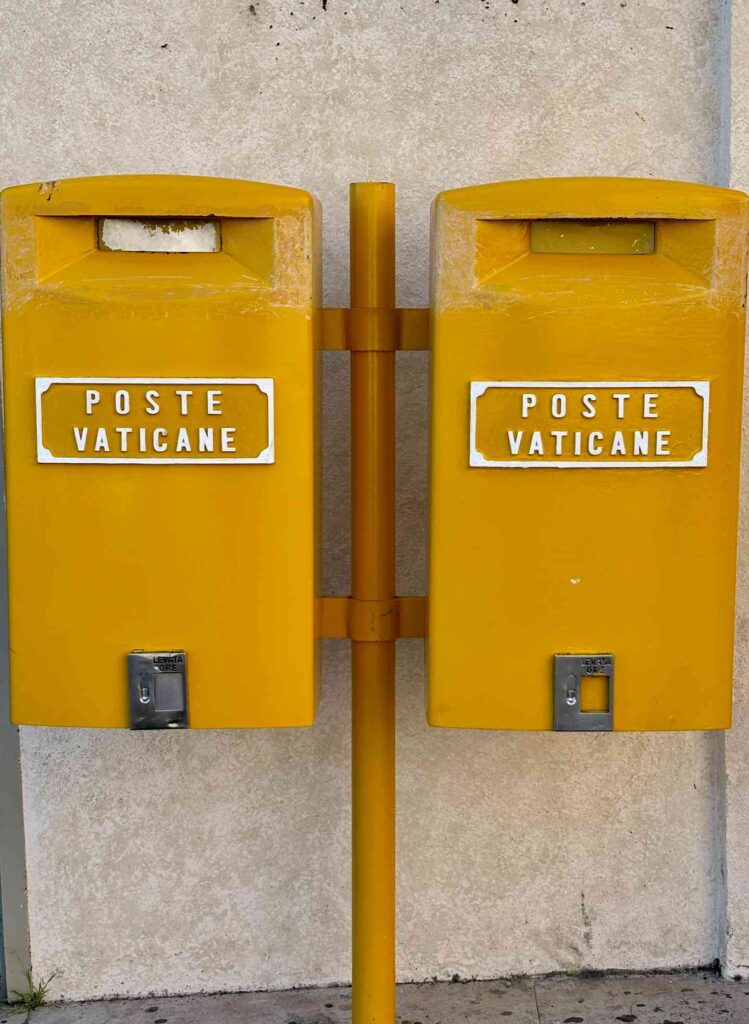
One little detail the kids unexpectedly loved at the Vatican was spotting the bright yellow Poste Vaticane post boxes dotted around Vatican City. At first glance they just look like ordinary post boxes, but there’s something quite fun about realising you can actually send postcards from an entirely different country — the Vatican has its own independent postal system.
The Pantheon was a suprising win
Another place we really enjoyed with the kids was the Pantheon. We hadn’t prebooked entry in advance because we were staying so close to it, in the Trevi Fountain area, and we ended up walking past the Pantheon almost every day. Each time we went by, there were long lines snaking along the square: some people clearly had prebooked tickets, others were queuing on the spot. What surprised us most was how fast the queue actually moved. On one of the days we decided to just join the regular line, even though it looked like there were about 100 people ahead of us. We were expecting to wait a long time, but we were literally inside within about 10 minutes.
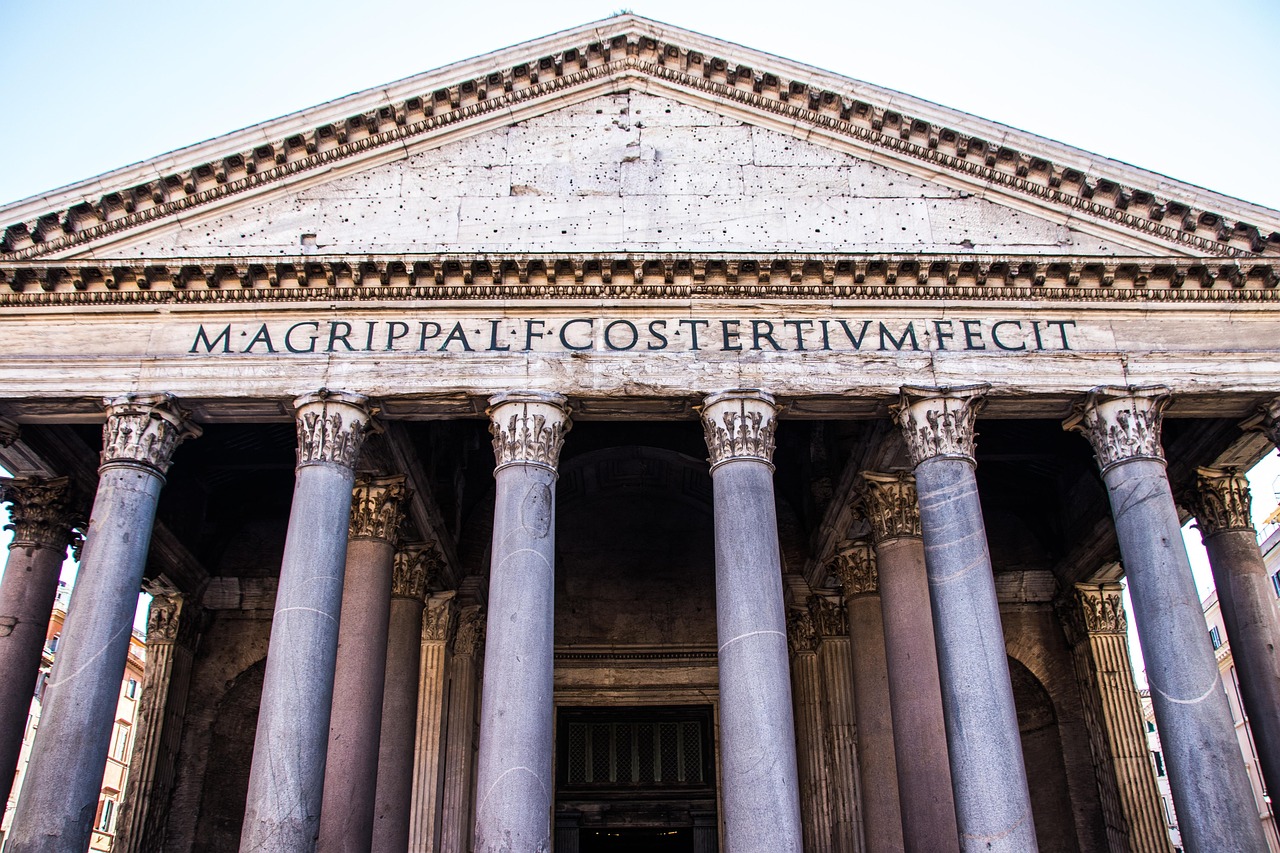
From the outside it looks like a big, round stone building with a giant dome topped with a smaller porch of columns, but the real wow comes when you walk into the main hall. The interior is huge and open, with a massive dome above you and a perfectly circular hole right in the middle of it: that’s the famous oculus. One of the coolest things about the Pantheon is that rain can actually fall inside through the oculus in the middle of the dome. The hole does not have glass or a roof; it just opens straight to the sky. On a rainy day, you can see raindrops falling gently into the centre of the hall, and the careful Romans even built the floor slightly sloped so water drains away quietly. I kept thinking it must have been amazing to visit the Pantheon when it was raining, watching the water come down and imagining how the Romans designed the building so smartly long before modern technology.
Our time at Villa Borghese
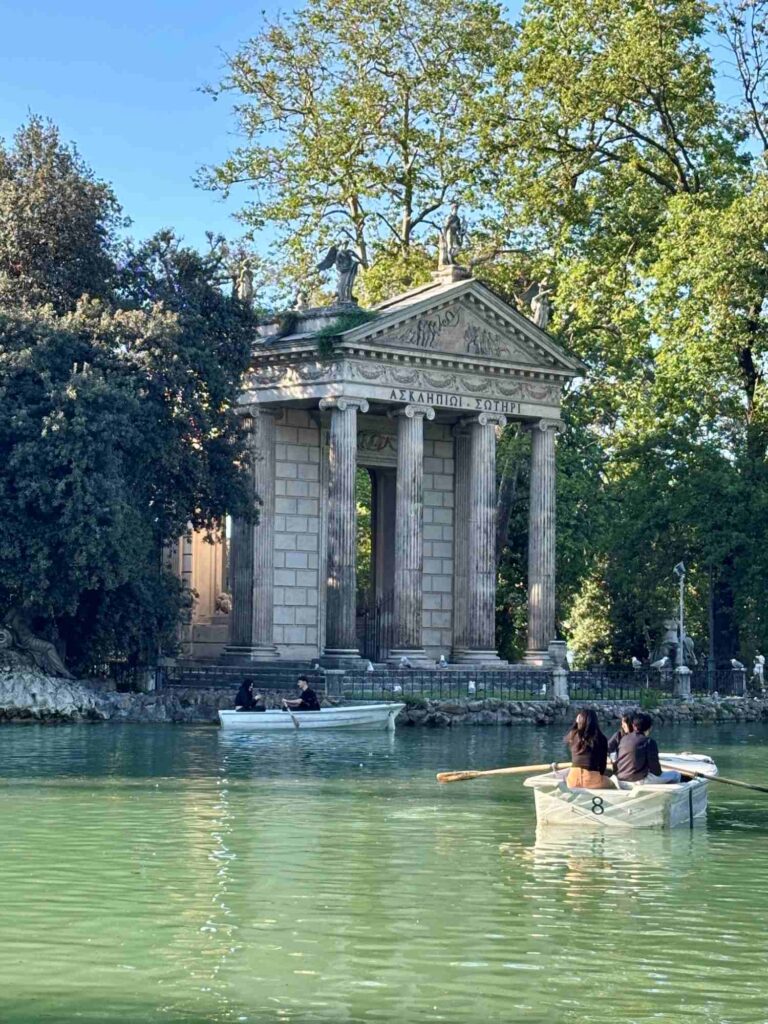
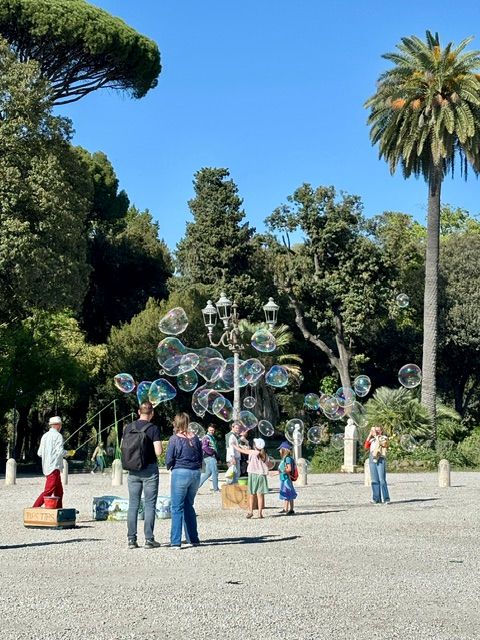
After a couple of days of intense sightseeing in Rome, we were really craving a proper park with a playground where we could just chill. One of the things that surprised us was how different Rome feels from a city like Paris: there are very few small green squares or scattered playgrounds, and you quickly realise that if you want real open space, you need to head to one of the big parks. The only large green space that we found was Villa Borghese, so that’s where we headed one afternoon to decompress and escape the hustle and bustle of the city centre.
Villa Borghese turned out to be a wonderful change of pace. It’s a big, leafy park with winding paths, trees, fountains, and plenty of benches. There are a few play areas and open spaces where children can run around, plus a lovely small lake where you can rent a little rowing boat or simply sit on the grass with a picnic and watch the boats go by.
What we took away from our Rome trip
Like with any city break, I’ve learned not to try and cram too much into each day when travelling with kids. It’s tempting in a city like Rome because there is so much to see, but I know from experience that if everyone gets overtired, nobody really enjoys it anymore. So in Rome, we focused on doing one major attraction each day, followed by something more low-key or just walking around in the afternoon.
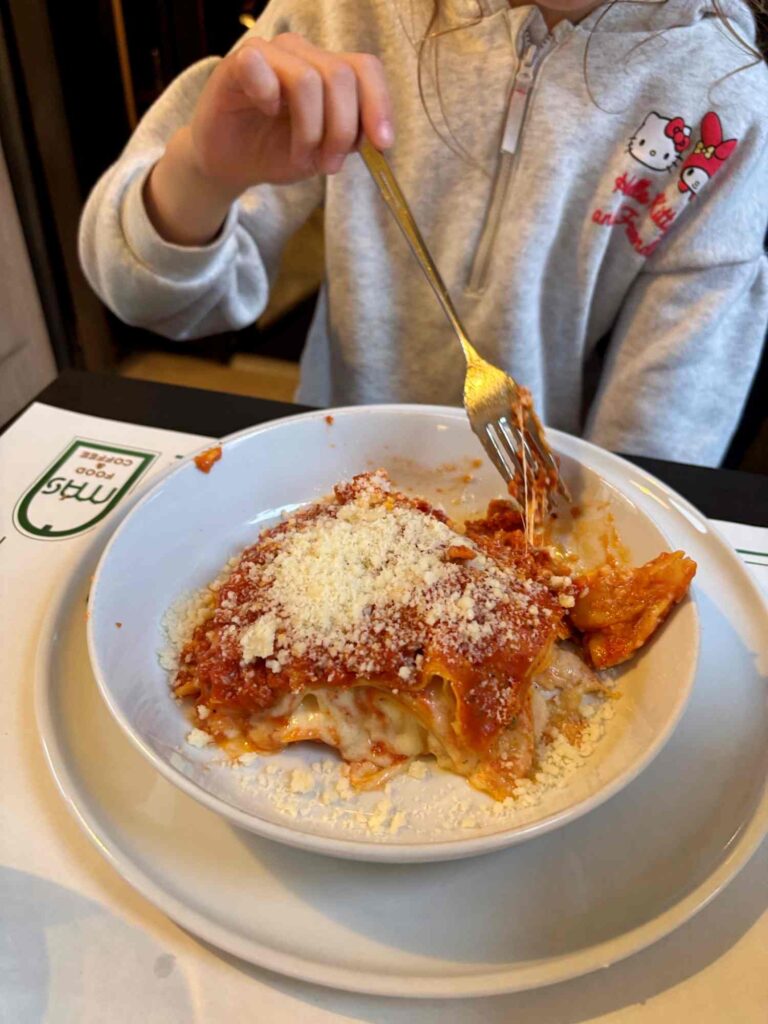

We didn’t stress about restaurants or bookings; we simply went with the flow, choosing what we felt like depending on where we were at the time. Sometimes that meant a quick slice of pizza for lunch, other times a sit‑down pasta dinner as the kids sat people‑watching outside a little piazza. After a few days, the pizza and pasta did start to feel a bit repetitive, so we were grateful when the kids began asking for some sushi and gyozas to break up the Italian cuisine. The thing we were happiest we did pay attention to was ice cream. We made a point of seeking out well‑reviewed gelato places rather than the super‑bright tourist spots.
Have you visited Rome with kids and have any tips to share? Drop it in the comments below.
More Posts on Italy with Kids
Pompeii with Kids: How to Visit + Why You Need a Guide – tips from our visit with kids.
Amalfi Coast with Kids: What Parents Need to Know – honest review on suitability for kids.
Florence with Kids: How We Spent 4 Days in the City – detailed itineraries and tips.
Venice with Kids: What to See, Do and Skip in 4 Days – detailed itineraries and tips.
Doing a Day Trip from Venice with Kids: Murano, Burano & Torcello – what’s different about the islands and which ones to visit.
Disclosure: This post contains affiliate links and I receive a commission if you visit a link and buy something on my recommendation. Purchasing via an affiliate link doesn’t cost you any extra, and I only recommend products and services I trust. All opinions are my own. For more details see my disclaimer and privacy policy.