Moyenne Section is the second year of French preschool, designed for children aged 4-5. It’s the stage that bridges the playful exploration of Petite Section with the more structured learning of Grande Section. For families moving from abroad, this year roughly corresponds to Reception in the UK and Pre-K / early Kindergarten in the USA.
French école maternelle is made up of three grades – Petite Section, Moyenne Section, and Grande Section. Together they create a gentle, play-based introduction to school life. Moyenne Section is still rooted in exploration, but children begin to develop key early learning skills that will follow them into primary school.
At what age does Moyenne Section start?
Moyenne Section begins in September, following the French school year calendar. Children must turn four by 31 December of that school year. This means some children may start just before turning four, while others may be closer to five.
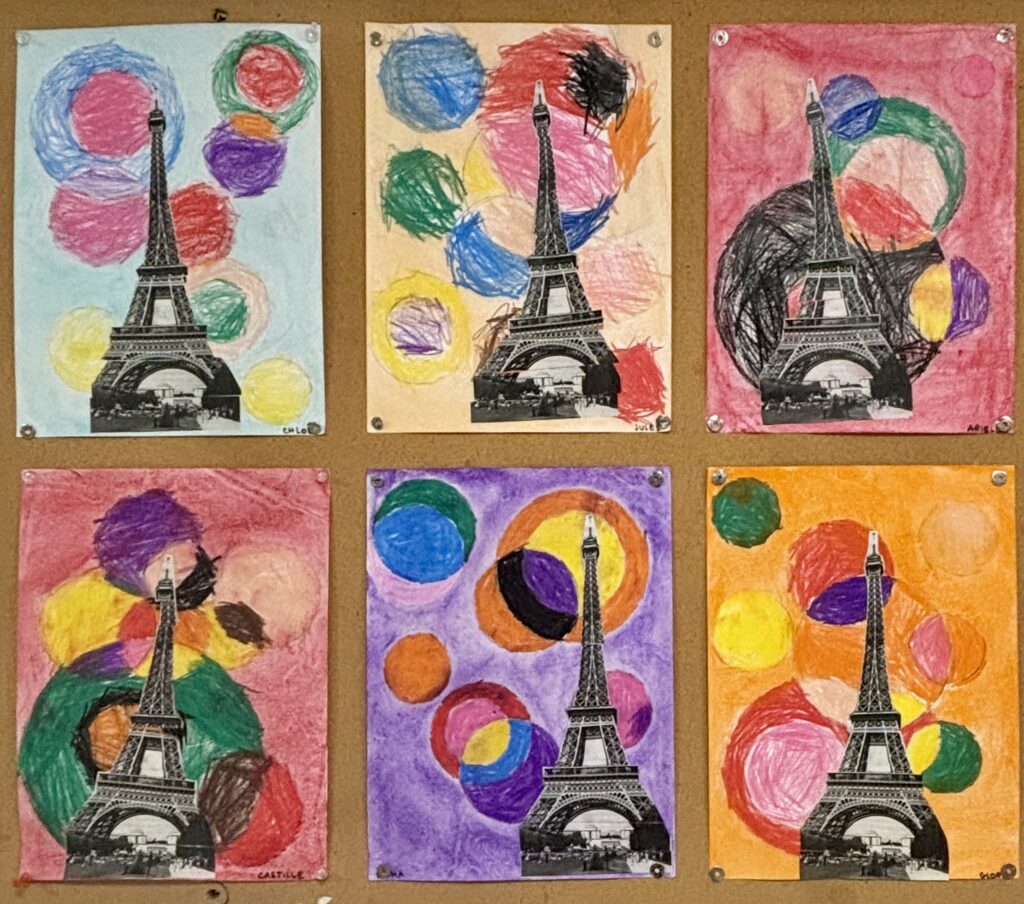
A day in the life of a Moyenne Section student
A typical day starts at 8:30 am as children arrive, hang up their coats, and settle into the classroom. The morning usually combines free play, small-group activities, and early learning workshops.
Lunchtime and afternoon routing
Lunch runs from 11.30am to 1.30pm, and children rarely or never bring packed lunches in state schools. They either eat in the cantine or go home with a parent before returning for the afternoon. In private schools, kids usually have a choice of eating in the cafeteria or bringing their own lunch to school.
One of the big changes from Petite Section is the shift from mandatory naps to quiet time. This period lasts 1–2 hours, and while some children still sleep, most spend the time playing calmly or resting with books.
After quiet time, classes continue with more playful learning, outdoor play, and creative activities. The school day ends between 3pm and 3:15pm. Most state schools offer after-school care (garderie) for a small fee, and families can extend the day until 4.30pm or 6pm if needed.
What about Wednesdays in Moyenne Section?
Wednesdays are unique in France. While some schools are closed, many have class just on Wednesday mornings. This is the day when families schedule most of the extracurricular activities.
In the afternoon, public schools run centres de loisirs, offering crafts, sports, and supervised play, often in the same building as the school. Many Moyenne Section students end up staying a similar amount of time as on other weekdays.
Some private schools also offer extracurricular activities on Wednesday afternoons, but these typically finish around 4-4:30 pm and cost significantly more than public schools.
Moyenne Section curriculum: learning through play
The objective of education in France at this stage is to instill a genuine enthusiasm for learning in children, to make them want to go to school to learn, to assert and develop their personality, and to foster their curiosity about the world around them. Central to this process is the incorporation of both play-based learning and free play. Children learn through play, experimentation, problem-solving, repetition and storytelling.
Language development
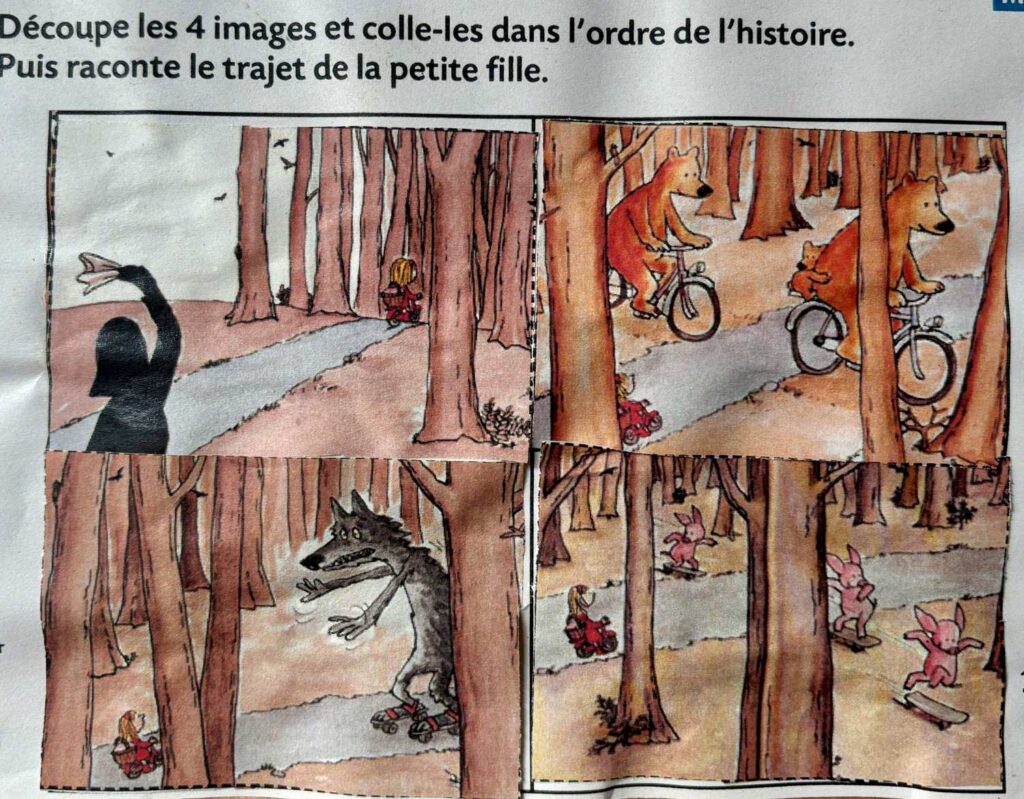
This is a big year for language growth. Children begin forming longer, more structured sentences and work on describing events or retelling stories. Classes focus more on story sequences, helping children understand and recount stories with clear beginnings, middles, and ends. For example, my daughter was asked to cut out images from a story, arrange them in the correct order, and then retell the story using her own words.
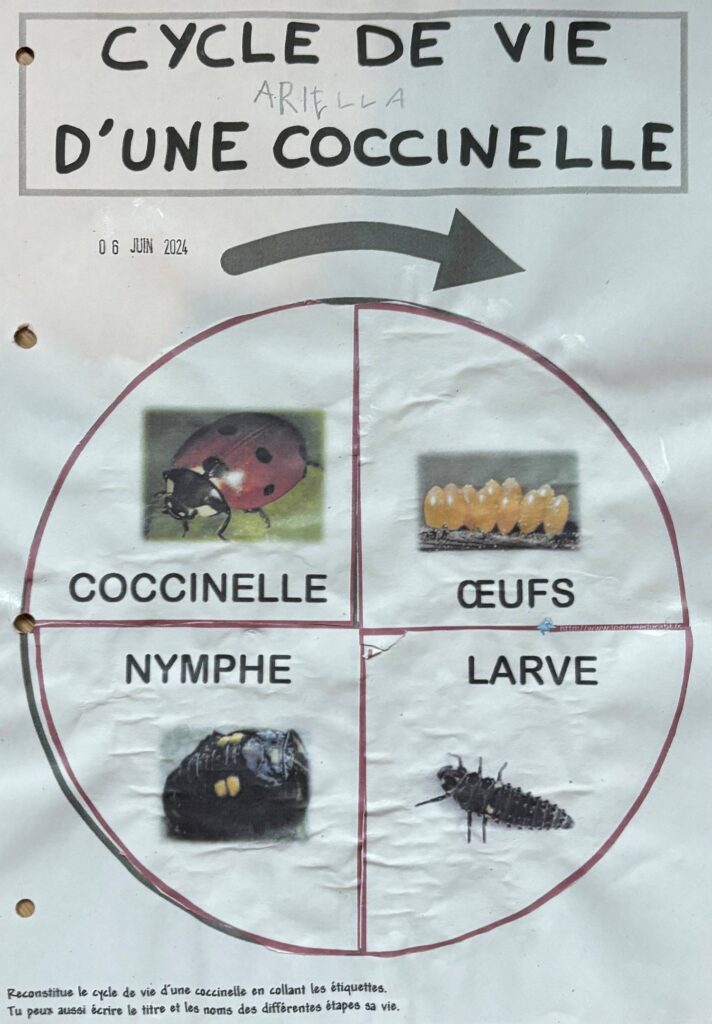
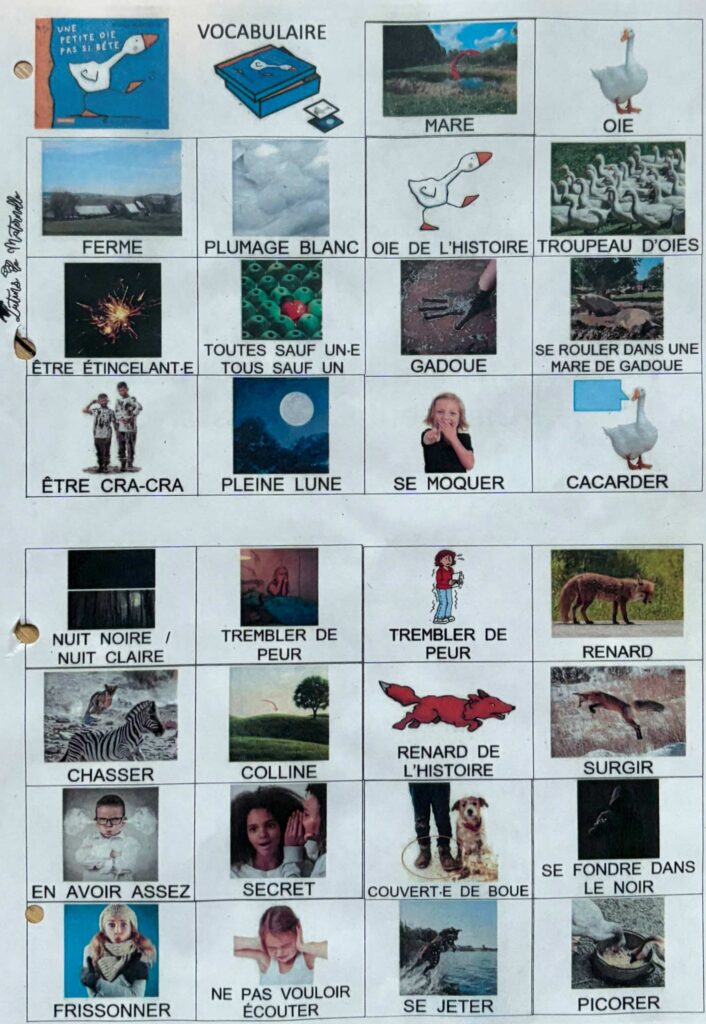
Vocabulary grows quickly too. Her class studied the life cycle of a ladybug, using picture cards and matching activities to learn new words.
Early reading and writing
During Moyenne Section, children start recognising the sounds that make up words. They play with syllables – adding them, removing them, or clapping out the beats in a word.
Most children already recognise capital letters from Petite Section, and this is the year they start learning the lowercase alphabet. Many can write their first names by autumn and finish the year able to recognise classmates’ names and write simple words.
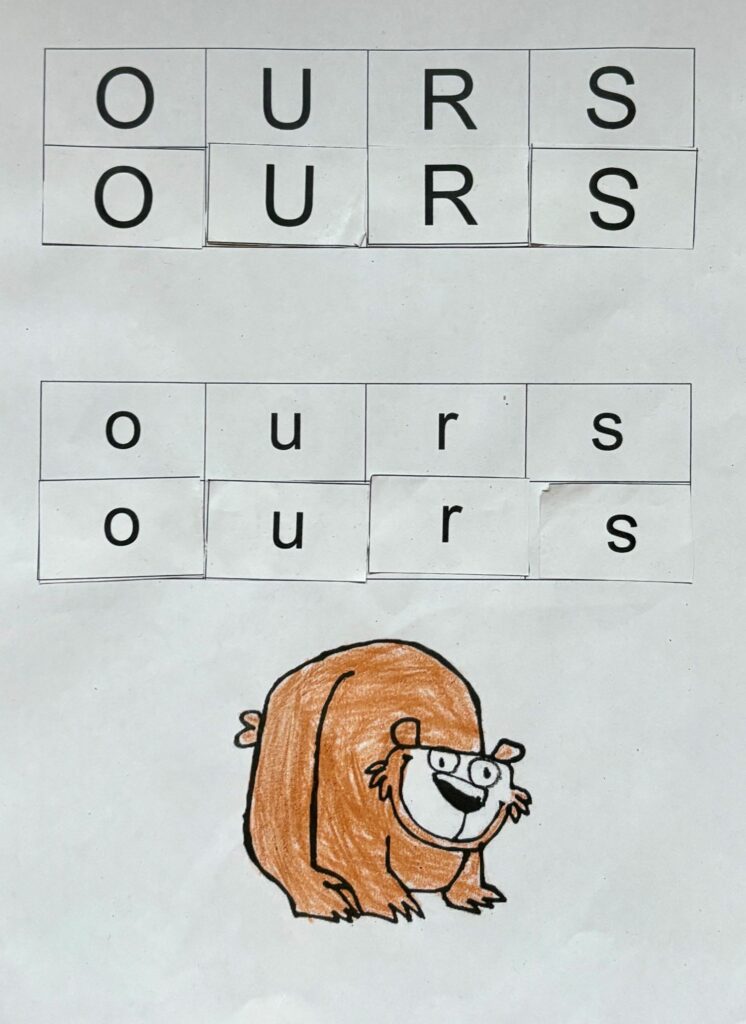
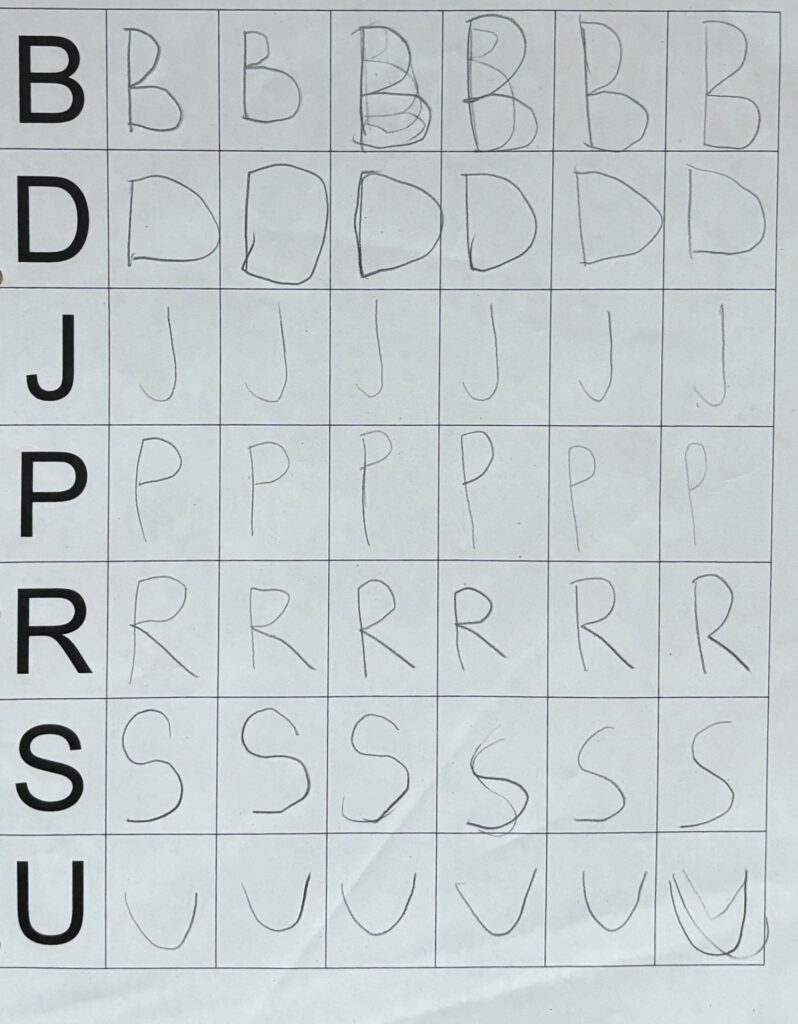
Numbers and shapes
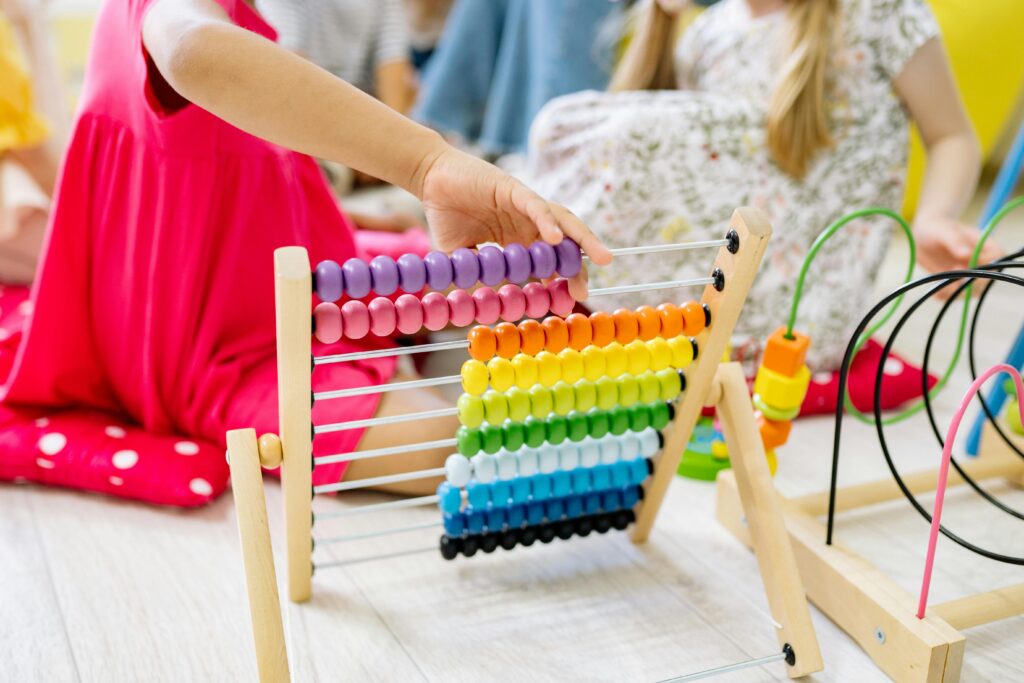
Children learn basic shapes and numbers through fun games and activities. In my daughter’s class, one favourite activity was counting objects in a picture and writing the number by hand. Another involved colouring objects to match a number on the page.
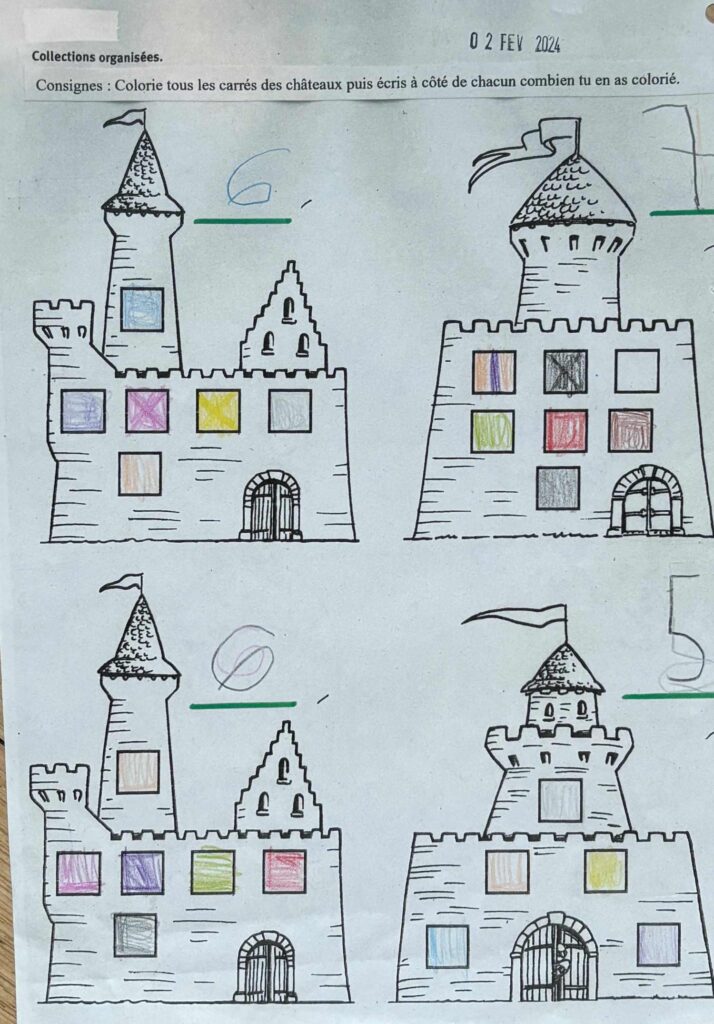
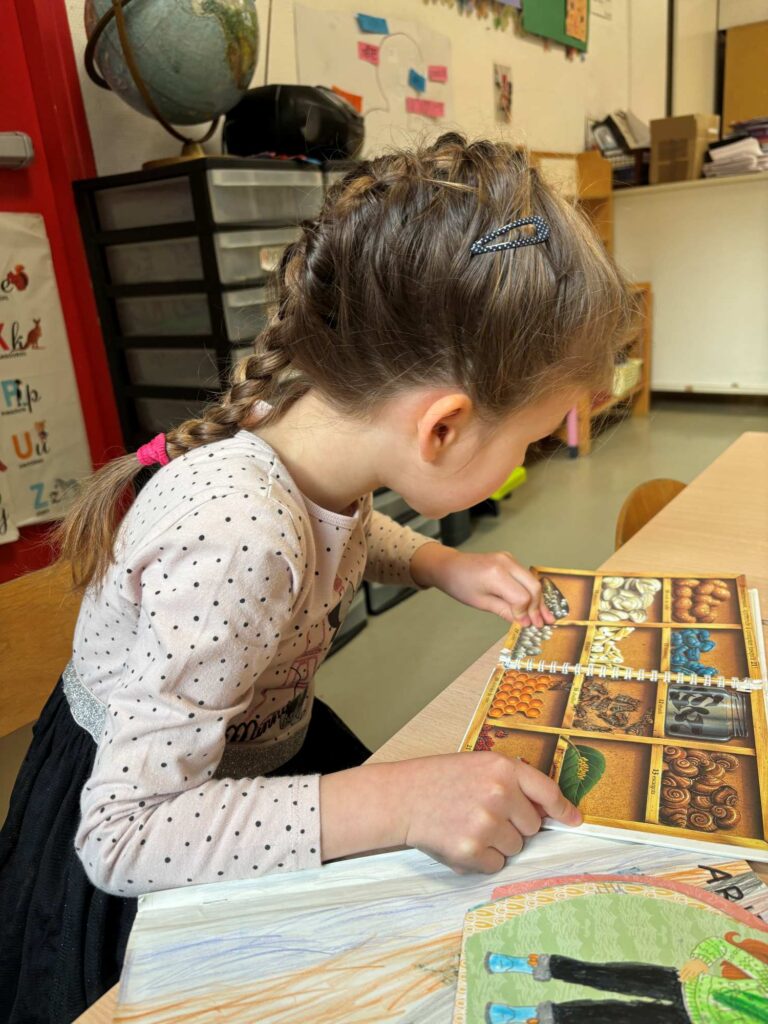
New skills they learn in Moyenne Section
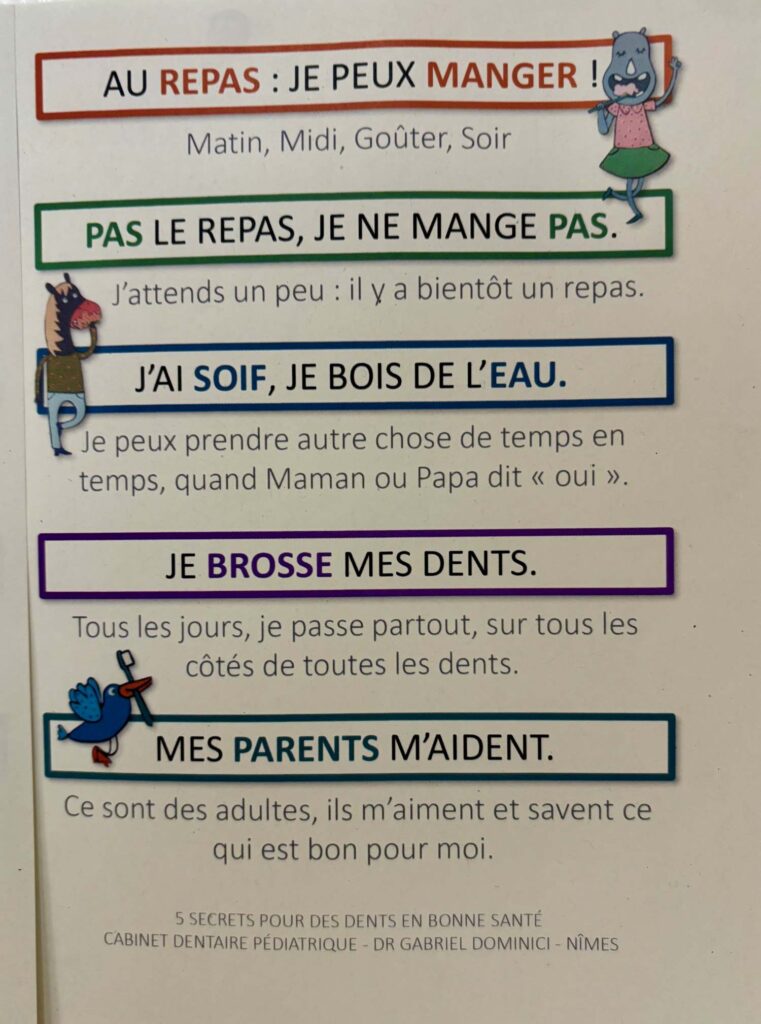
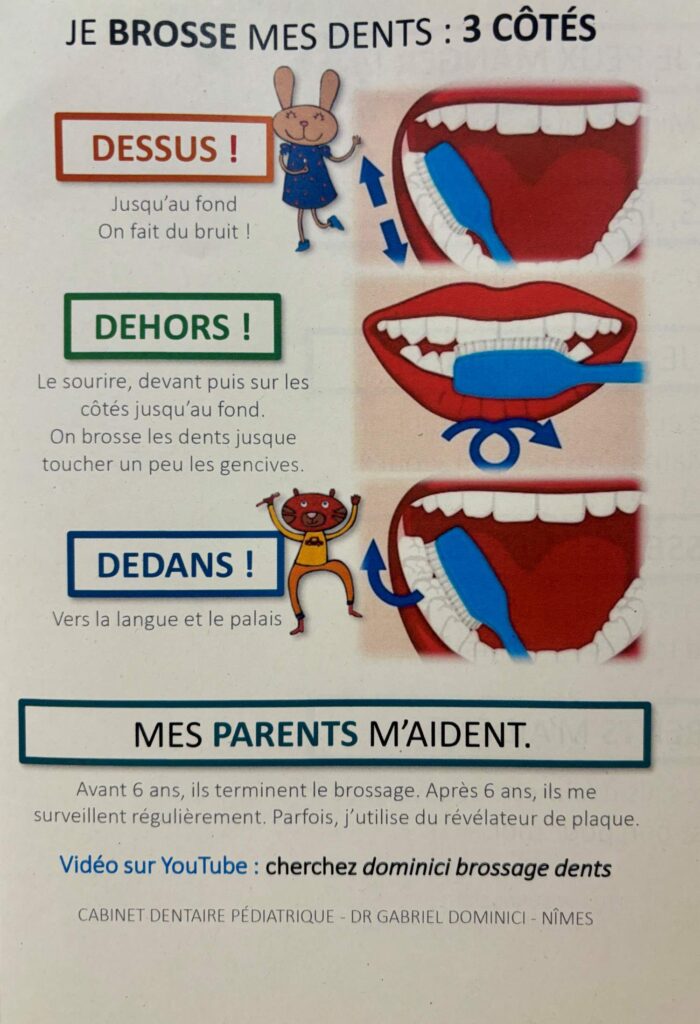
Each school adds its own flavour to the curriculum. At ours, there was a strong emphasis on dental hygiene and teaching kids how to properly brush teeth.
In the spring, the children tried gardening, planting radishes and seeds in small pots to take home. Caring for their plants became a daily ritual.
There are also regular school outings throughout the year. My daughter’s class visited Provins, Musée Marmottan Monet, the local library for storytelling sessions, and several Paris museums on day trips. These outings help anchor classroom learning in real-world experiences.
Final thoughts on our experience with Moyenne Section
I have generally been happy with my daughter’s first two years in French preschool at our local Paris public school. I have noticed that the quality of teachers can vary a lot from year to year. So, some years you’re lucky to get a really good teacher, while in other years, you may not, which can greatly influence how the year goes. If you’re choosing between a public and private school in France, I would say both are quite similar in terms of what they offer children at this pre-primary stage of their education. The differences between public and private schools in Paris become more apparent at primary school level.
If you have a child in Moyenne Section or equivalent, there are many useful and fun activity booklets available on Amazon in French for kids at this age that follow the teachings at Moyenne Section. For example, activity books that encourage learning through tracing numbers, letters, and holiday editions that cover a range of different games and activities. We like to buy these over the holidays throughout the year and carry with us during our travels.
Explore More About Schools in France
If you’re interested in learning more about the French education system for children, here are some other posts to check out:
- Petite Section: The First Year of French School — A guide to the first year of école maternelle (ages 3–4), including daily routine and learning through play.
- Grande Section: Preparing for Primary School — What to expect in the final year of preschool before CP (first year of primaire).
- Overview of École Maternelle — Understanding how French pre-primary school works: its structure, philosophy, and importance.
- French School Holidays & Calendar — A breakdown of the school year in France, including term dates and holiday planning for families.
- Bilingual & International Schools in France — Options for multilingual families: how to choose, how they differ from state schools.
- How to Enrol Your Child in a French School — Step-by-step advice on registration, and the paperwork involved.
Disclosure: This post contains affiliate links and I receive a commission if you visit a link and buy something on my recommendation. Purchasing via an affiliate link doesn’t cost you any extra, and I only recommend products and services I trust. All opinions are my own. As an Amazon Associate I earn from qualifying purchases. For more details see my disclaimer and privacy policy.